Sebastiao Salgado Second Essay

Sebastiao Ribeiro Salgado Júnior was born on the 8th of February, 1944 in Aimorés, in the state Minas Gerais, Brazil.

“Sebastião Ribeiro Salgado was born in Brazil on February 8, 1944, in a small town of 16,000 inhabitants, Aimorés, in the state of Minas Gerais.” – Biography: Sebastiao Salgado. 2004. The Guardian. (Reference).


During his childhood he would travel a lot. In his youth, Aimorés had only the first part of secondary school education to offer for whatever reason, which prompted him to leave for Vitoria where he would live and complete secondary school in 1962. In 1963, he started studying economics and he achieved the title of master in economics at the University of Sao Paulo in 1967. In the same year, he married Lélia Deluiz Wanick who he has two sons with, Juliano and Rodrigo.

“When Sebastião was young, the town of Aimorés offered only the first part of secondary school, so he left in 1960 to live in Vitoria, a coastal town 185 kilometers away that was the capital of the state of Espirito Santo. There he completed his secondary education in 1962. The next year he went to the university to study economics and finished in 1967, the year he married Lélia Deluiz Wanick. They are the parents of two boys, Juliano, 28, and 23-year-old Rodrigo who has Downs Syndrome.” – Biography: Sebastiao Salgado. 2004. The Guardian (Reference).


He would soon start working as an economist for the International Coffee Organisation. Salgado would then travel to  Africa on missions for the World Bank. His career in photography would begin in 1973, during his visit in Africa, taking pictures in the more poorer areas, and often being called “the photographer of gutters” as a result.  Initially, these first several photographs were taken for personal use only, however, they sparked his interest in photography on a much wider-scale as well as an interest in the issues of third-world countries, abandoning his job as an economist, turning to photography in 1973. At first, he worked on news assignments before moving on to do documentaries.

“He began work as an economist for the International Coffee Organization, often traveling to Africa on missions for the World Bank, when he first started seriously taking photographs. He chose to abandon a career as an economist and switched to photography in 1973, working initially on news assignments before veering more towards documentary-type work.” – Sebastiao Salgado – Wikipedia (Reference).


In 1975, he worked with the French photography agency Gamma, and in 1979 he joined the elite group agency Magnum, founded by Henri Cartier-Bresson.

“Salgado initially worked with the photo agency Sygma and the Paris-based Gamma, but in 1979, he joined the international cooperative of photographers Magnum Photos.” – Wikipedia (Reference). 


Salgado published his first book Other Americas in 1986which was basically a collection of photographs of people living in poverty in Central America and South America. Not long after that, Salgado published Sahel : Man in Distress collaborating with the French international and medical non-governmental organisation, Medecins San Frontières. The book was about the drought in north Africa, in the 1980’s. From then onwards, his photographs documented manual labour across the world, which were made for his book and exhibition titled Workers, resulting in him becoming a prime example of a photo documentarian. In 1993, Salgado shifted his focus to the international situation of mass displacement of people, Salgado soon started co-operating with the European and African sections of the World Church Society organisation and for the next six years he worked on the project Migrations and The Children, which were both then published in 2000.

“His first book, Other Americas, about the poor in Latin America, was published in 1986. This was followed by Sahel: Man in Distress (also published in 1986), the result of a 15 month long collaboration with Medecins San Frontières covering the drought in northern Africa. From 1986 to 1992 he documented manual labour world-wide, resulting in a book and exhibition called Workers, a monumental undertaking that confirmed his reputation as a photo documentarian of the first order. From 1993 to 1999, he turned his attention to the global phenomenon of mass displacement of people, resulting in the internationally acclaimed books Migrations and The Children published in 2000.” – Sebastiao Salgado – biography. UNICEF (Reference).
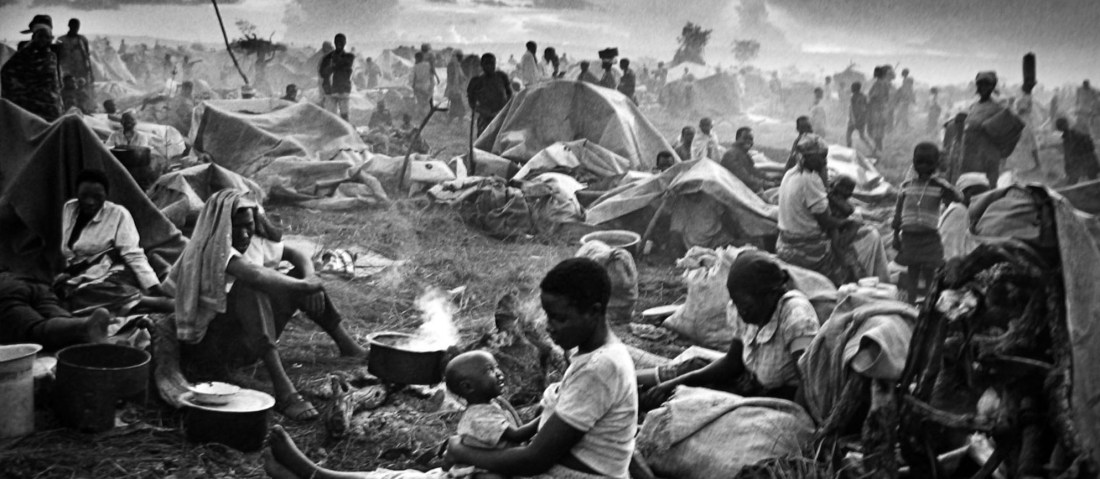
feature-salgado-refugee.jpg
Photograph from Sahel : Man in Distress


DtG7bHoW0AEaWoD.jpg
Photograph from Other Americas


1734484f0a14cacc4a8d3ba9de8fa777.jpg
Photograph from Migrations


oct2015_a21_salgado-for-web
Photograph from The Children


In 1994, Salgado had left Magnum and along with his wife founded his own agency, the Amazonas Images Press Agency in Paris, where only his work would be displayed.

“He left Magnum in 1994 and with his wife Lélia Wanick Salgado formed his own agency, Amazonas Images, in Paris, to represent his work.” – Wikipedia (Reference)


Salgado only uses the black and white format. As for his ethics – he fully respects the subjects of his photographs. He often attempts to show the more profound meaning of his work, with themes such as war, poverty, as well as other forms of injustices the world has seen.

“Working entirely in a black-and-white format, Mr. Salgado’s respect for his subjects and his determination to draw out the larger meaning of what is happening to them, has created an imagery that testifies to the fundamental dignity of all humanity while simultaneously protesting its violation by war, poverty and other injustices.” – Sebastiao Salgado – biography. UNICEF (Reference).


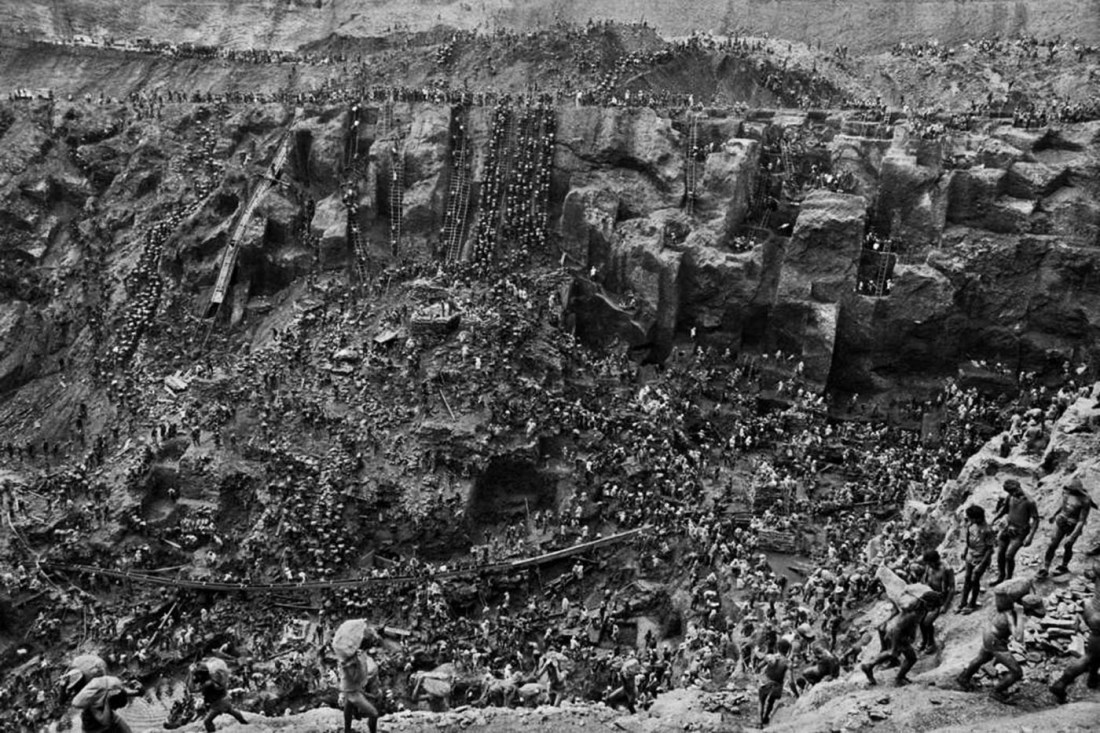
Arguably, his most well known photographs are of a gold mine in Brazil, called Serra Pelada, which was this gargantuan dig-hole, where miners were extracting gold ore.

“His most famous pictures are of a gold mine in Brazil called Serra Pelada” – Wikipedia (Reference).

The hell of Sierra Pelada mines, 1980s (2).jpg
From Serra Pelada


In 1998, after several years, Salgado along with his wife had restored a section of the Atlantic Forest, converting it into a nature reserve, calling it the Instituto Terra, and its aims are reforestation, conservation and environmental education.

“Together, Lélia and Sebastião, have worked since the 1990s on the restoration of a small part of the Atlantic Forest in Brazil. In 1998, they succeeded in turning this land into a nature reserve and created the Instituto Terra. The institute is dedicated to a mission of reforestation, conservation and environmental education.” – Wikipedia (Reference).


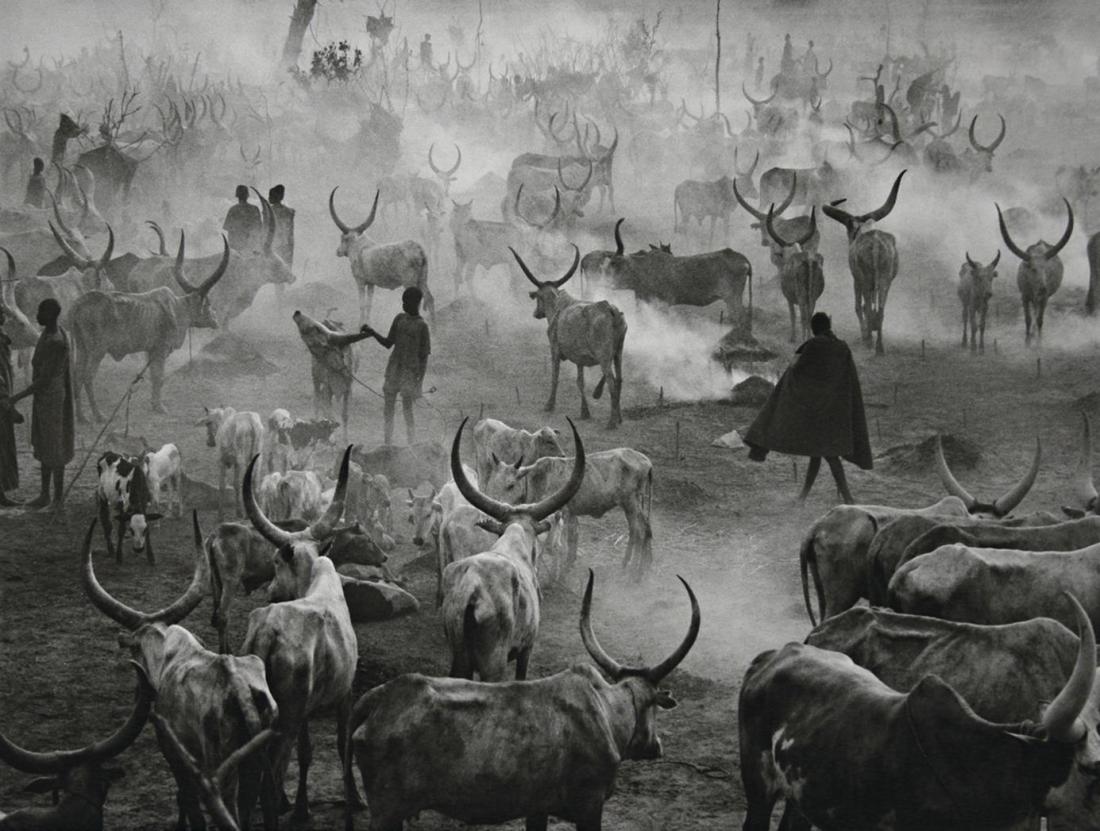
From 2004 to as late as 2011, he wanted to portray the pure faces of humanity as well as nature. This book was called Genesis. It was composed of photographs of various landscapes along with wildlife and human societies which still live according to their customs and traditions for generations. I think that with Genesis, Salgado is trying to convey how humanity can regain its place in nature.

“Between 2004 and 2011, Salgado worked on “Genesis,” aiming at the presentation of the unblemished faces of nature and humanity. It consists of a series of photographs of landscapes and wildlife, as well as of human communities that continue to live in accordance with their ancestral traditions and cultures. This body of work is conceived as a potential path to humanity’s rediscovery of itself in nature.” – Wikipedia (Reference).

67.jpg
From Genesis


The film, The Salt of the Earth (2014) concentrates on Salgado’s work. Salgado’s son was one of the two directors of the film. It won an exceptional award at the Cannes Film Festival and it was even nominated for the best documentary at the Oscars.

“Salgado and his work are the focus of the film The Salt of the Earth (2014), directed by Wim Wenders and Salgado’s son, Juliano Ribeiro Salgado. The film won a special award at Cannes Film Festival and was nominated for the best Documentary Feature at the 2015 Academy Awards.” – Wikipedia (Reference).


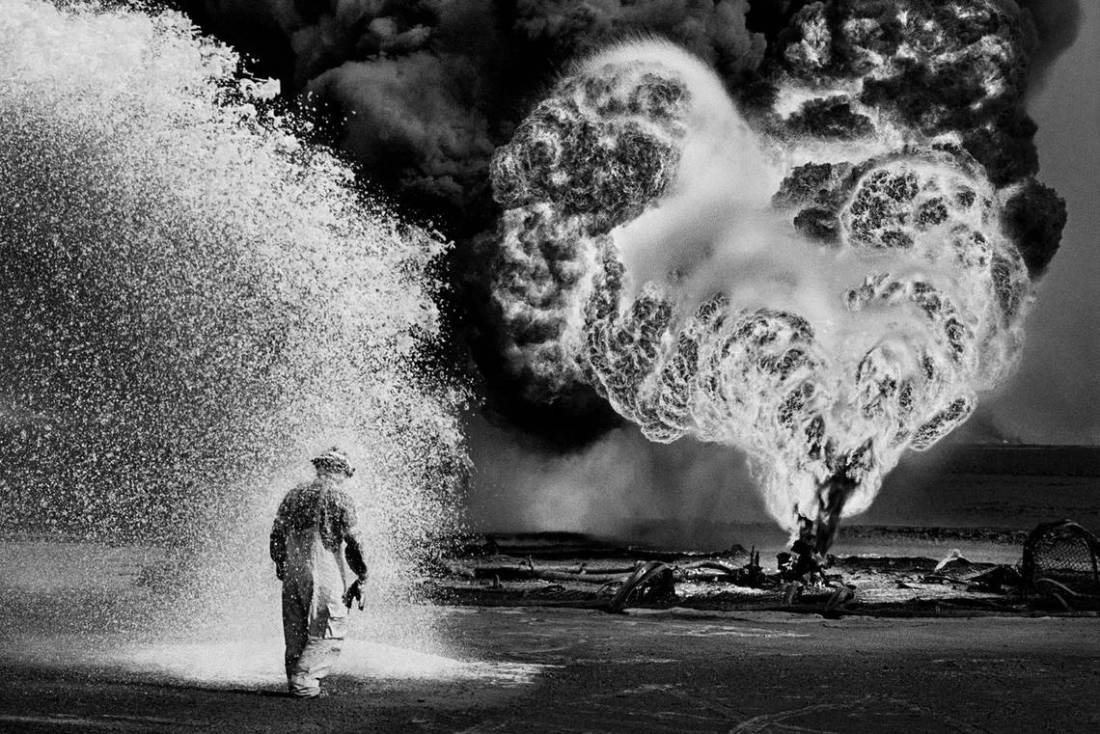
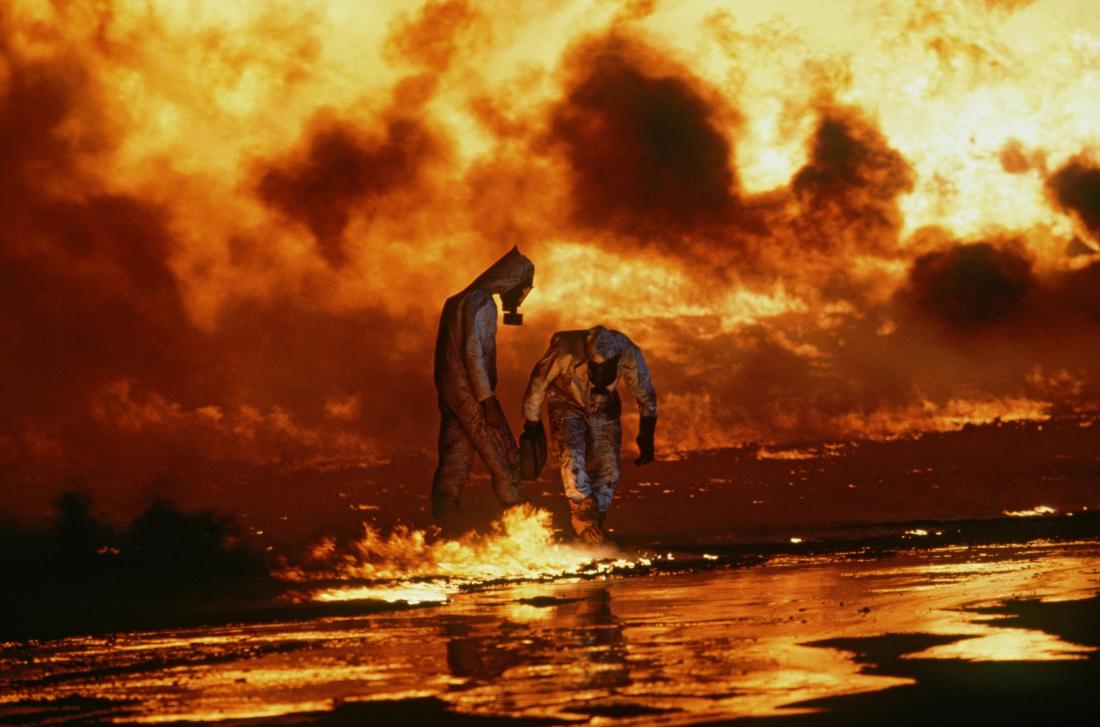
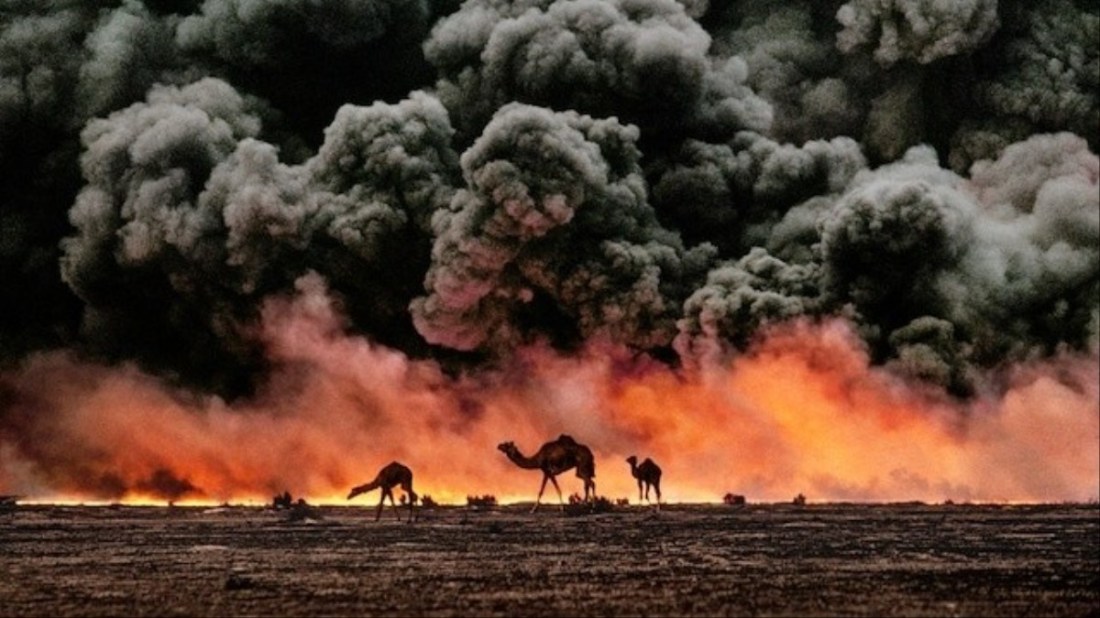
What I like about Salgado’s photographs is how grandiose they are, addressing natural disasters, different cultures, people struggling with their lives in poverty, and landscapes all in black and white with a strong contrast and sharpness of the image. Above (third picture) is my favourite photograph of his, titled Desert Hell, Kuwait, 1991. It’s my favourite because of the vividness of the flames and the firefighter being juxtaposed against it is what make it look extremely gritty and epic. From this powerful picture we see the human struggle against natural disasters and we easily relate to it.


canon_pro_sebastiao_salgado_1
From Desert Hell, Kuwait, 1991


Bibliography :

  1. The Guardian – https://www.theguardian.com/artanddesign/2004/sep/11/sebastiaosalgado.photography2
  2. UNICEF – https://www.unicef.org/salgado/bio.htm
  3. Amazonas Images – https://www.amazonasimages.com/
  4. Wikipedia – https://en.wikipedia.org/wiki/Sebasti%C3%A3o_Salgado

Sebastiao Salgado Essay

Sebastiao Salgado was born on February 8, 1944 in Aimorés, in the state of Minas Gerais, In the 1940s more than 70% of this region was still covered by the foliage and trees of the Atlantic Forest, one of the 25 environmental “hot spots” on our planet. At that time this coastal Brazilian forest was twice as big as all of France; today it is reduced to only 7% of what it is was then, and in Sebastiãos birthplace the forest is even more sparse, at 0.3% of its initial size.

“Sebastião Ribeiro Salgado was born in Brazil on February 8, 1944, in a small town of 16,000 inhabitants, Aimorés, in the state of Minas Gerais. In the 1940s more than 70% of this region was still covered by the foliage and trees of the Atlantic Forest, one of the 25 environmental “hot spots” on our planet. At that time this coastal Brazilian forest was twice as big as all of France; today it is reduced to only 7% of what it is was then, and in Sebastiãos birthplace the forest is even more sparse, at 0.3% of its initial size.” – Biography: Sebastiao Salgado. 2004. The Guardian. (Reference).


When Sebastião was young, the town of Aimorés offered only the first part of secondary school, so he left in 1960 to live in Vitoria, a coastal town 185 kilometers away that was the capital of the state of Espirito Santo. There he completed his secondary education in 1962. The next year he went to the university to study economics and finished in 1967, the year he married Lélia Deluiz Wanick. They are the parents of two boys, Juliano, 28, and 23-year-old Rodrigo who has Downs Syndrome. They are also the grandparents of a six-year-old boy, Flavio.

“When Sebastião was young, the town of Aimorés offered only the first part of secondary school, so he left in 1960 to live in Vitoria, a coastal town 185 kilometers away that was the capital of the state of Espirito Santo. There he completed his secondary education in 1962. The next year he went to the university to study economics and finished in 1967, the year he married Lélia Deluiz Wanick. They are the parents of two boys, Juliano, 28, and 23-year-old Rodrigo who has Downs Syndrome. They are also the grandparents of a six-year-old boy, Flavio.” – Biography: Sebastiao Salgado. 2004. The Guardian (Reference).


Educated as an economist, Mr. Salgado, 57, began his photography career in 1973. His first book, Other Americas, about the poor in Latin America, was published in 1986. This was followed by Sahel: Man in Distress (also published in 1986), the result of a 15 month long collaboration with Medecins San Frontières covering the drought in northern Africa. From 1986 to 1992 he documented manual labour world-wide, resulting in a book and exhibition called Workers, a monumental undertaking that confirmed his reputation as a photo documentarian of the first order. From 1993 to 1999, he turned his attention to the global phenomenon of mass displacement of people, resulting in the internationally acclaimed books Migrations and The Children published in 2000.

“Educated as an economist, Mr. Salgado, 57, began his photography career in 1973. His first book, Other Americas, about the poor in Latin America, was published in 1986. This was followed by Sahel: Man in Distress (also published in 1986), the result of a 15 month long collaboration with Medecins San Frontières covering the drought in northern Africa. From 1986 to 1992 he documented manual labour world-wide, resulting in a book and exhibition called Workers, a monumental undertaking that confirmed his reputation as a photo documentarian of the first order. From 1993 to 1999, he turned his attention to the global phenomenon of mass displacement of people, resulting in the internationally acclaimed books Migrations and The Children published in 2000.” – Sebastiao Salgado – biography. UNICEF (Reference).
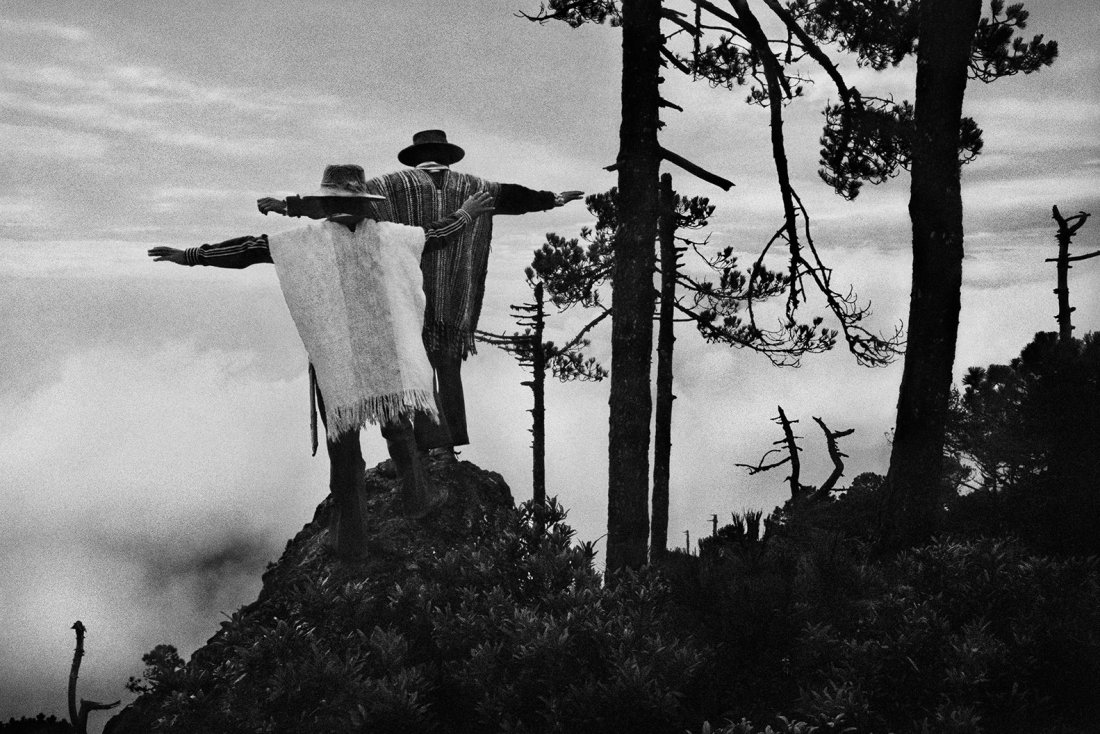
 

Salgado only uses the black and white format. As for his ethics – he fully respects the subjects of his photographs. He often attempts to show the more profound meaning of his work, with themes such as war, poverty, as well as ther injustices.

“Working entirely in a black-and-white format, Mr. Salgado’s respect for his subjects and his determination to draw out the larger meaning of what is happening to them, has created an imagery that testifies to the fundamental dignity of all humanity while simultaneously protesting its violation by war, poverty and other injustices.” – Sebastiao Salgado – biography. UNICEF (Reference).
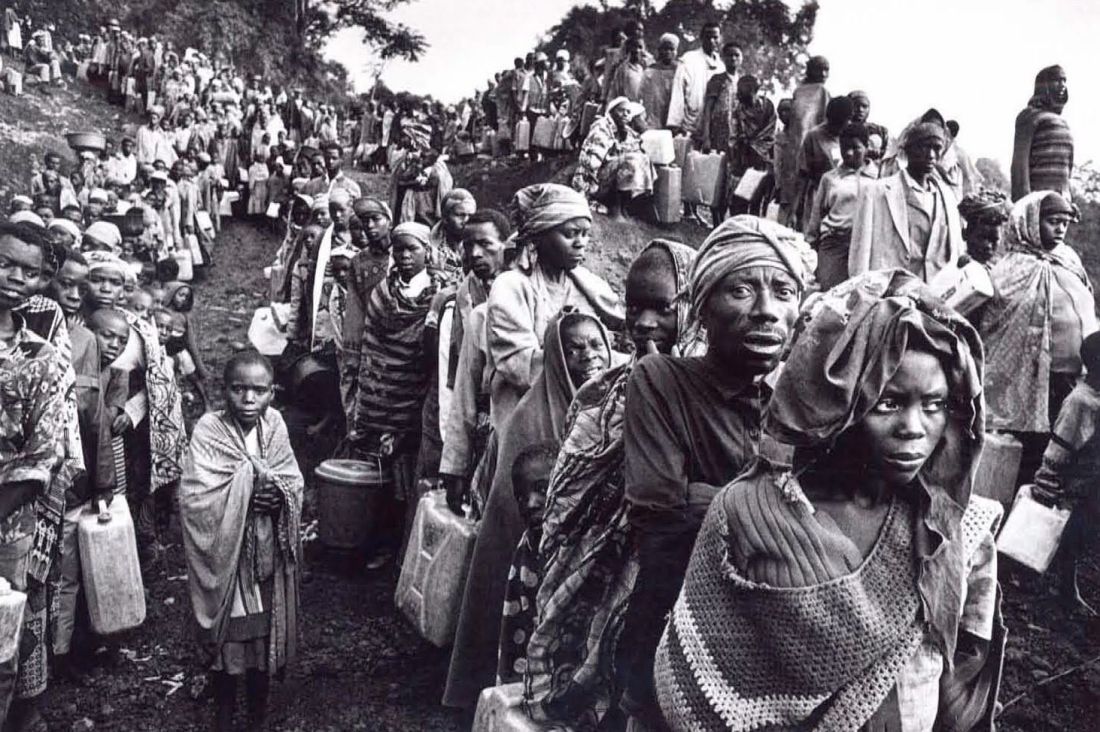
 

Salgado works on long term, self-assigned projects many of which have been published as books: The Other Americas, Sahel, Workers, Migrations, and Genesis. The latter three are mammoth collections with hundreds of images each from all around the world. His most famous pictures are of a gold mine in Brazil called Serra Pelada.

“Salgado works on long term, self-assigned projects many of which have been published as books: The Other AmericasSahelWorkersMigrations, and Genesis. The latter three are mammoth collections with hundreds of images each from all around the world. His most famous pictures are of a gold mine in Brazil called Serra Pelada” – Wikipedia (Reference).
 

He has travelled in over 100 countries for his photographic projects. Most of these, besides appearing in numerous press publications, have also been presented in books such as Other Americas (1986), Sahel: l’homme en détresse (1986), Sahel: el fin del camino (1988), Workers (1993), Terra (1997), Migrations and Portraits (2000), and Africa (2007). Touring exhibitions of this work have been, and continue to be, presented throughout the world.

“He has travelled in over 100 countries for his photographic projects. Most of these, besides appearing in numerous press publications, have also been presented in books such as Other Americas (1986), Sahel: l’homme en détresse(1986), Sahel: el fin del camino (1988), Workers (1993), Terra (1997), Migrations and Portraits (2000), and Africa(2007). Touring exhibitions of this work have been, and continue to be, presented throughout the world. ” – Amazonas Images (Reference) 


Between 2004 and 2011, Salgado worked on “Genesis,” aiming at the presentation of the unblemished faces of nature and humanity. It consists of a series of photographs of landscapes and wildlife, as well as of human communities that continue to live in accordance with their ancestral traditions and cultures. This body of work is conceived as a potential path to humanity’s rediscovery of itself in nature. In September and October 2007, Salgado displayed his photographs of coffee workers from India, Guatemala, Ethiopia and Brazil at the Brazilian Embassy in London. The aim of the project was to raise public awareness of the origins of the popular drink. Together, Lélia and Sebastião, have worked since the 1990s on the restoration of a small part of the Atlantic Forest in Brazil. In 1998, they succeeded in turning this land into a nature reserve and created the Instituto Terra. The institute is dedicated to a mission of reforestation, conservation and environmental education. Salgado and his work are the focus of the film The Salt of the Earth (2014), directed by Wim Wenders and Salgado’s son, Juliano Ribeiro Salgado. The film won a special award at Cannes Film Festival and was nominated for the best Documentary Feature at the 2015 Academy Awards.

“Between 2004 and 2011, Salgado worked on “Genesis,” aiming at the presentation of the unblemished faces of nature and humanity. It consists of a series of photographs of landscapes and wildlife, as well as of human communities that continue to live in accordance with their ancestral traditions and cultures. This body of work is conceived as a potential path to humanity’s rediscovery of itself in nature. In September and October 2007, Salgado displayed his photographs of coffee workers from India, Guatemala, Ethiopia and Brazil at the Brazilian Embassy in London. The aim of the project was to raise public awareness of the origins of the popular drink. Together, Lélia and Sebastião, have worked since the 1990s on the restoration of a small part of the Atlantic Forest in Brazil. In 1998, they succeeded in turning this land into a nature reserve and created the Instituto Terra. The institute is dedicated to a mission of reforestation, conservation and environmental education. Salgado and his work are the focus of the film The Salt of the Earth (2014), directed by Wim Wenders and Salgado’s son, Juliano Ribeiro Salgado. The film won a special award at Cannes Film Festival and was nominated for the best Documentary Feature at the 2015 Academy Awards.” – Wikipedia (Reference).

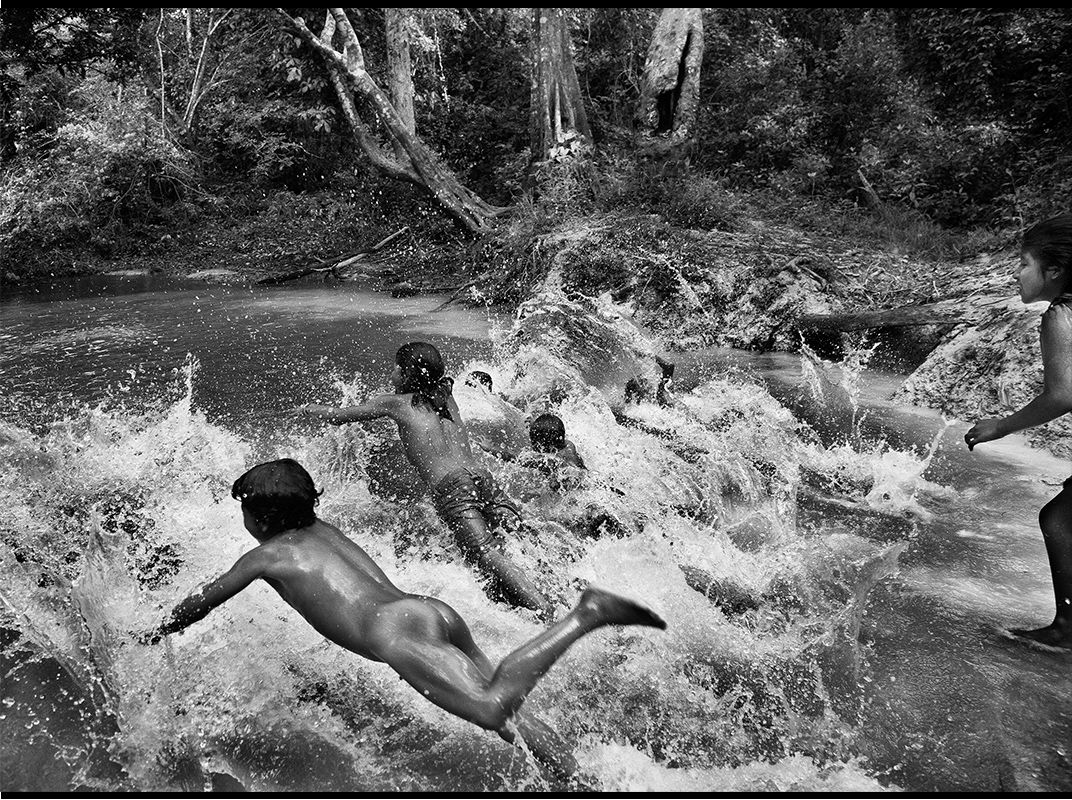
oct2015_a21_salgado-for-web
Children play in the Caru River
salgado_iceberg_poster
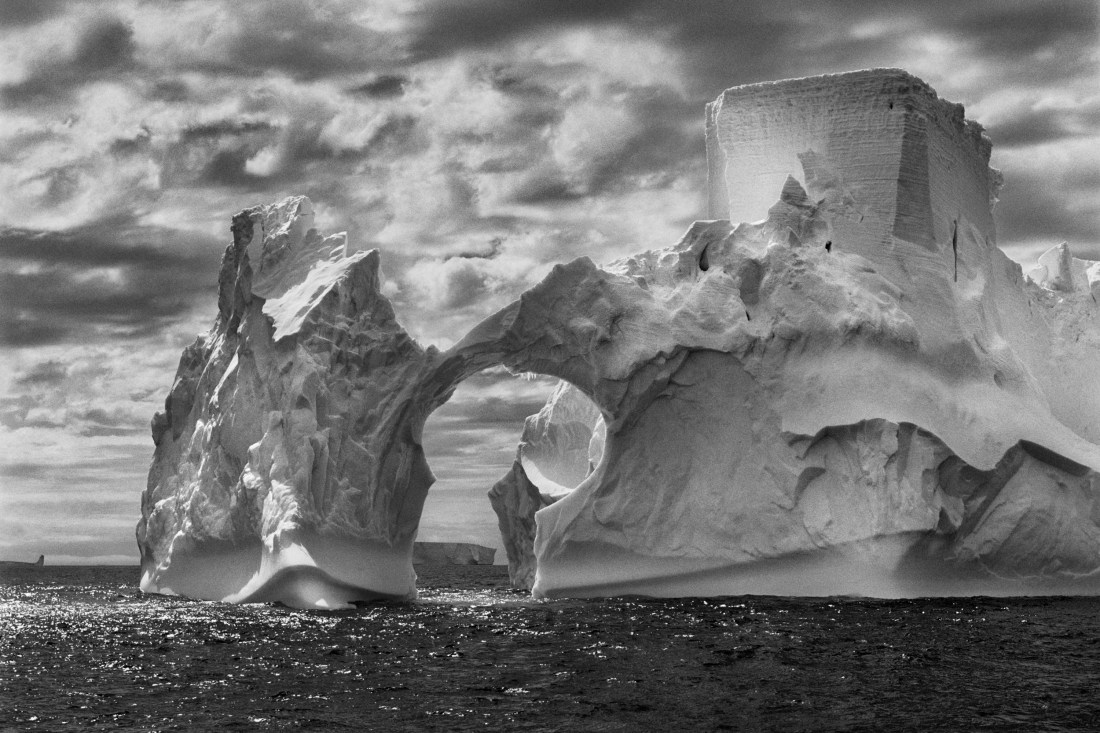
Iceberg from his book, ‘Genesis’
canon_pro_sebastiao_salgado_1
Desert Hell, Kuwait, 1991

What I like about Salgado’s photographs is how grandiose they are, depicting  natural disasters, different cultures, and landscapes in black and white with strong contrast of the image. Above (third picture) is my favourite photograph of his, titled ‘Desert Hell, Kuwait, 1991’. It’s my favourite because of the vividness of the flames and the firefighter being juxtaposed against it is what make it look extremely gritty and epic. From this powerful picture we see human struggle against natural disasters and we easily identify with it.

Bibliography :

  1. The Guardian – https://www.theguardian.com/artanddesign/2004/sep/11/sebastiaosalgado.photography2
  2. UNICEF – https://www.unicef.org/salgado/bio.htm
  3. Amazonas Images – https://www.amazonasimages.com/
  4. Wikipedia – https://en.wikipedia.org/wiki/Sebasti%C3%A3o_Salgado
Magnum Photographer – Steve McCurry

Steve McCurry is an American photographer, freelancer and photojournalist. His most famous photo is of the “Afghan girl”, the girl with the piercing green eyes that periodically appears on the cover of National Geographic. McCurry has photographed many assignments for National Geographic and has been a member of Magnum since 1986.

McCurry is the recipient of numerous awards, including Magazine Photographer of the Year, awarded by the National Press Photographers Association; the Royal Photographic Society’s Centenary Medal; and two first-place prizes in the World Press Photo contest (1985 and 1992).

McCurry attended Penn State University. He originally planned to study cinematography and filmmaking, but instead gained a degree in theater arts and graduated in 1974. He became interested in photography when he started taking pictures for the Penn State newspaper The Daily Collegian.

After working at Today’s Post in King of Prussia, Pennsylvania for two years, he left, in 1978, to freelance in India. After a year working there, McCurry traveled to northern Pakistan where he met two Afghans who told him about the war across the border in Afghanistan.

McCurry’s career was launched when, disguised in Afghani garb, he crossed the Pakistan border into rebel-controlled areas of Afghanistan just before the USSR’s invasion. “As soon as I crossed the border, I came across about 40 houses and a few schools that were just bombed out,” he says. “They were literally destroying whole villages with helicopter gunships.” He left with rolls of film sewn into his turban and stuffed in his socks and underwear. These images were subsequently published by The New York Times, TIME and Paris March and won him the Robert Capa Gold Medal for Best Photographic Reporting from Abroad.

McCurry covered more armed conflicts like the Iran-Iraq War, Lebanon Civil War, the Cambodian Civil War, the Islamic insurgency in the Philippines, the Gulf War and the Afghan Civil War. There have been a couple of dangerous moments where McCurry came close to losing his life. He was almost drowned in India and he survived an airplane crash in Yugoslavia. McCurry has had his work featured in magazines worldwide and he is a frequent contributor to National Geographic.

McCurry concentrates on the toll war takes on humans. He intends to show what war does to not only the landscape, but to the people who inhabit that land. “Most of my images are grounded in people. I look for the unguarded moment, the essential soul peeking out, experience etched on a person’s face. I try to convey what it is like to be that person, a person caught in a broader landscape, that you could call the human condition.” What McCurry wants his viewers to take away from his photographs is the “human connection between all of us.” He believes there is always some common thing between all humans despite the differences in religion, language, ethnicity, etc. McCurry also states, “I have found that I get completely consumed by the importance of the story I am telling, the feeling that the world has got to know. It’s never about the adrenaline. It’s about the story.” However, sometimes McCurry has witnessed some “horrific” and “distressing” sights. In times like these, he uses his camera as a “shield” because it’s easier to witness these events through a viewfinder.

On September 10, 2001, McCurry had just gotten back from Tibet. The morning of September 11, McCurry received a call saying the World Trade Center was on fire. He went up to the roof of his building and started taking photographs, he didn’t know it was a plane that hit the towers. McCurry was on the roof when both of the towers fell, “they were just gone. It didn’t seem possible. Like you’re seeing something but you don’t really believe what you’re seeing.” After the fall of the towers, McCurry ran to Ground Zero with his assistant. He describes the scene, “there was this very fine white powder everywhere and all this office paper, but there was no recognizable office equipment—no filing cabinets, telephones, computers. It seemed like the whole thing had been pulverized.” McCurry left later that night and went back early on September 12, he didn’t have any press credentials and had to sneak past security. He was eventually caught and escorted off Ground Zero, he wouldn’t go back again.

McCurry shoots in both film and digital and likes to use vibrant colours, however, admits he prefers shooting with transparency film. Eastman Kodak gifted the last roll of Kodachrome film to ever be produced by Kodak. The roll was processed in July 2010 by Dwayne’s Photo in Parsons, Kansas. Most of these photos were published on the Internet by Vanity Fair. McCurry states, “I shot it for 30 years and I have several hundred thousand pictures on Kodachrome in my archive. I’m trying to shoot 36 pictures that act as some kind of wrap up – to mark the passing of Kodachrome. It was a wonderful film.”

1991025BK

steve-mccurry-photographs-the-human-condition-1413322400268


The Proposal

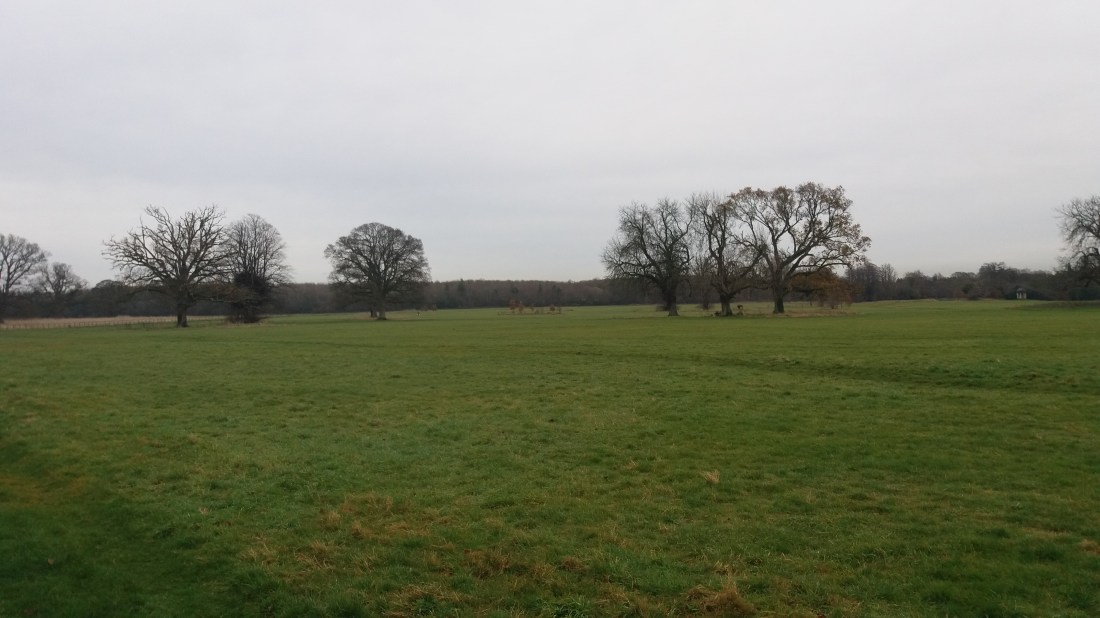
“Look into nature, and then you will understand everything better.” said Albert Einstein. I vehemently agree with his wise words, because especially in today’s times of our narcissistic and selfie obsessed society there is no appreciation of our beautiful natural world. The seemingly endless green fields, the blinding blue skies, and so much more.


I figured that I’d capture the essence of nature by looking at a small part of it. Although it would show only a fragment of its allure, it would be adequate enough I think to get that opening message across as well as hopefully making people aware that their phones aren’t the only thing that exist in this world.


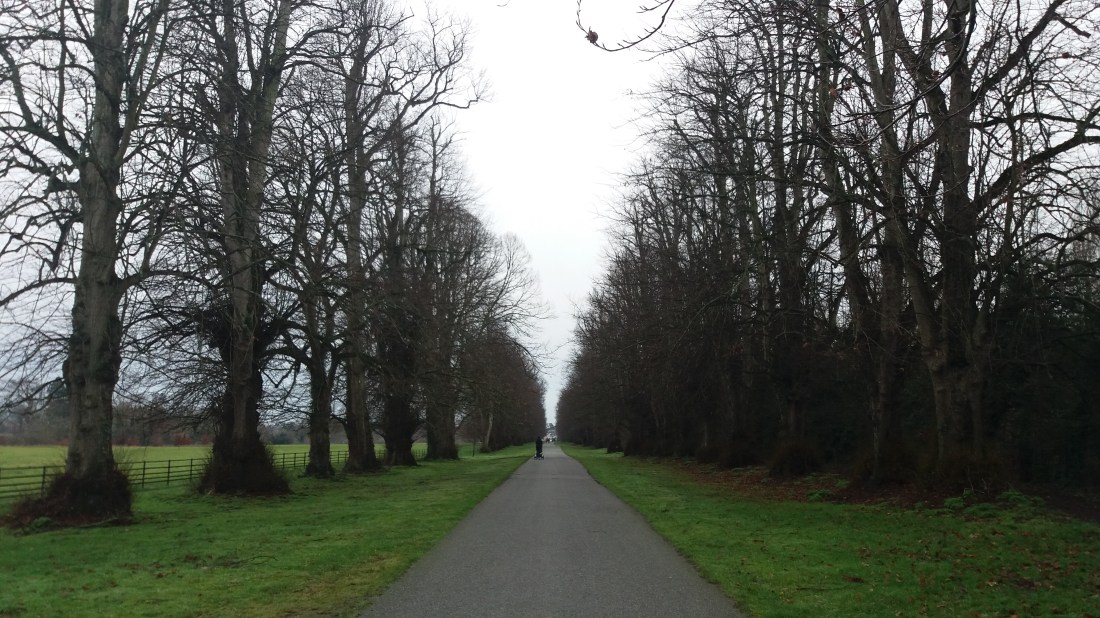
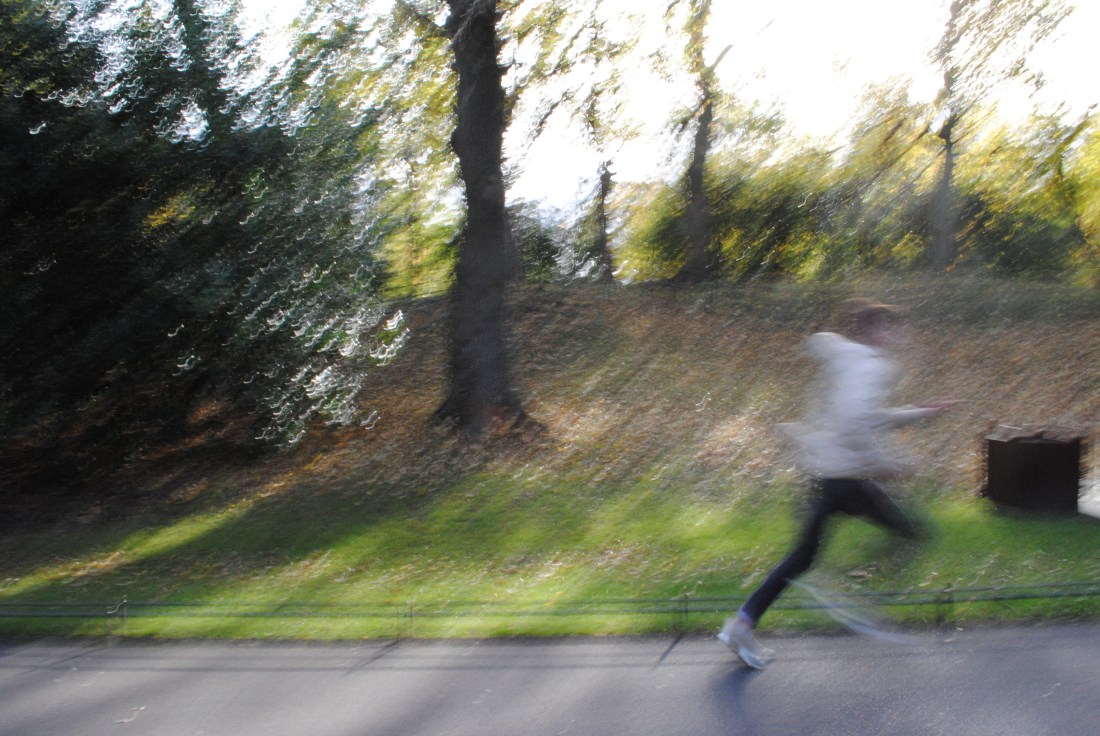
I propose going to a park located in inner city Dublin – Stephen’s Green. There I will take photographs which will subsequently form the collection of work to illustrate some of our natural environment. I will head out to Stephen’s Green at first just to see what’s exactly there. What will I experience? What’s changing? What’s permanent? The main problem associated with this area is the season we are in now. Obviously due to autumn, the trees are largely leafless and any potential wildlife that could be found there will soon go to hibernate in winter.


I’ve spent three months making preparations for this event. I didn’t to ask for permission from local authorities as this is a public place. I have my camera ready and all that remains is to do this. This work will ultimately make up an album. Its target demographic is supposed to be for people of around my age, not just for individuals who share a common interest in nature but also for those who don’t, because with this I hope they will develop that interest.

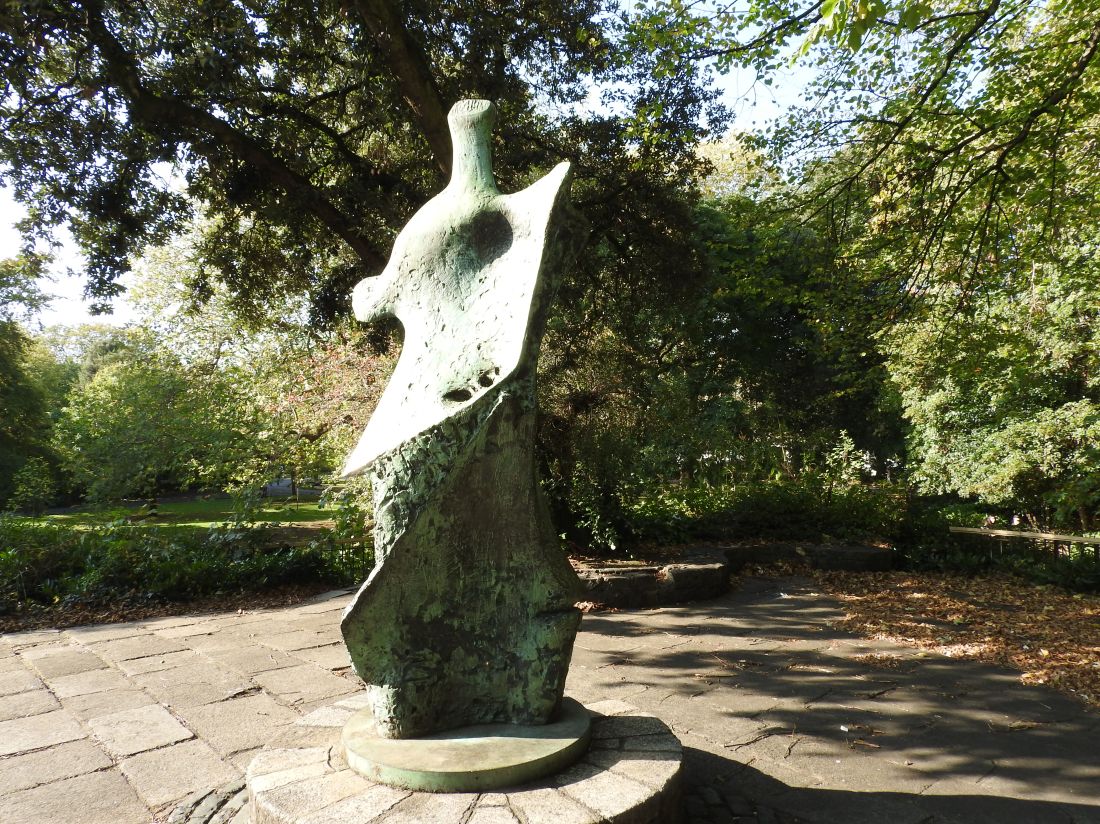
 

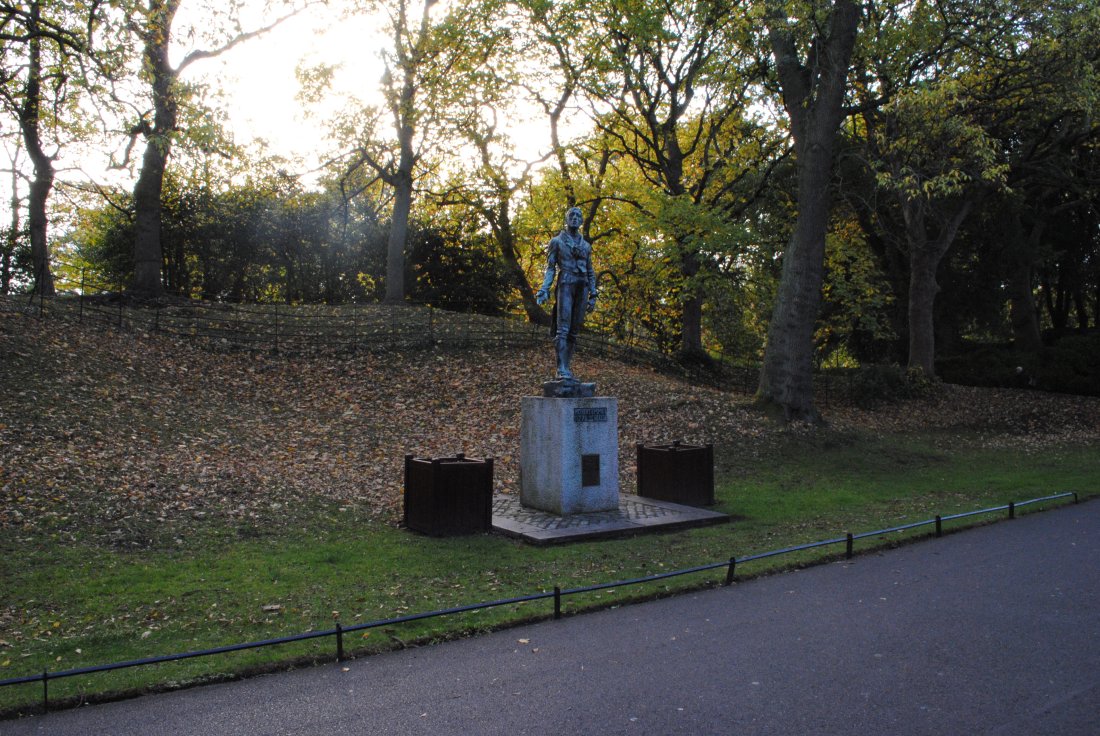
Firstly, I will visit the river in this recreational centre to see which animals are found there and then photograph them and it will be easy as they won’t have any objections to it. Secondly, I will photograph the interior of the park such as the trees and even the historical monuments there like statues. Thirdly, I will come back another time to see what has changed and what has not changed in the area over the winter period. The themes of nature and appreciation are well showcased in the Stephen’s Green park and it’s something I desire to bring light to as I try to stand from the rest of the crowd today.

The Lost Moment Exhibition – Review

The Lost Moment exhibition presented us with a vast quantity of photographs that included the Civil Rights in the United States of America as well as in Northern Ireland, etc. Although the photos were taken in the mid to late 1960’s, events occurring in the present are tied to the ones in the 1960’s such as the racism going on in America and the border question of Northern Ireland as a result of Brexit.

The photographs showcased the brutalities committed by the law enforcement on the African-American community in America who were battling for their rights. Photos of major events like the Montgomery Bus Boycott and Martin Luther King giving speeches (documented by Stephen Shapiro, in March of 1965) were featured in the aforementioned exhibition. The Lost Moment exhibition looks anew  at the Civil Rights movement in Northern Ireland (which were inspired by the Civil Rights in the United States) fifty years on from the peaceful protests that vehemently preceded the Troubles.

In my opinion, the exhibition perfectly exhibits the history of global conflicts going on in those times but does so in a very aesthetically fascinating direction. Each individual photograph gives us a good idea on how oppressed the populations were, for example, a photograph of a Czechoslovakian woman berating a Soviet soldier during the 1968 Warsaw Pact invasion of Czechoslovakia.

Overall I enjoyed the experience, since I find this time period in history to be really interesting. It showed me so much imagery which I wasn’t familiar with.