Sebastiao Salgado was born on February 8, 1944 in Aimorés, in the state of Minas Gerais, In the 1940s more than 70% of this region was still covered by the foliage and trees of the Atlantic Forest, one of the 25 environmental “hot spots” on our planet. At that time this coastal Brazilian forest was twice as big as all of France; today it is reduced to only 7% of what it is was then, and in Sebastiãos birthplace the forest is even more sparse, at 0.3% of its initial size.
“Sebastião Ribeiro Salgado was born in Brazil on February 8, 1944, in a small town of 16,000 inhabitants, Aimorés, in the state of Minas Gerais. In the 1940s more than 70% of this region was still covered by the foliage and trees of the Atlantic Forest, one of the 25 environmental “hot spots” on our planet. At that time this coastal Brazilian forest was twice as big as all of France; today it is reduced to only 7% of what it is was then, and in Sebastiãos birthplace the forest is even more sparse, at 0.3% of its initial size.” – Biography: Sebastiao Salgado. 2004. The Guardian. (Reference).
When Sebastião was young, the town of Aimorés offered only the first part of secondary school, so he left in 1960 to live in Vitoria, a coastal town 185 kilometers away that was the capital of the state of Espirito Santo. There he completed his secondary education in 1962. The next year he went to the university to study economics and finished in 1967, the year he married Lélia Deluiz Wanick. They are the parents of two boys, Juliano, 28, and 23-year-old Rodrigo who has Downs Syndrome. They are also the grandparents of a six-year-old boy, Flavio.
“When Sebastião was young, the town of Aimorés offered only the first part of secondary school, so he left in 1960 to live in Vitoria, a coastal town 185 kilometers away that was the capital of the state of Espirito Santo. There he completed his secondary education in 1962. The next year he went to the university to study economics and finished in 1967, the year he married Lélia Deluiz Wanick. They are the parents of two boys, Juliano, 28, and 23-year-old Rodrigo who has Downs Syndrome. They are also the grandparents of a six-year-old boy, Flavio.” – Biography: Sebastiao Salgado. 2004. The Guardian (Reference).
Educated as an economist, Mr. Salgado, 57, began his photography career in 1973. His first book, Other Americas, about the poor in Latin America, was published in 1986. This was followed by Sahel: Man in Distress (also published in 1986), the result of a 15 month long collaboration with Medecins San Frontières covering the drought in northern Africa. From 1986 to 1992 he documented manual labour world-wide, resulting in a book and exhibition called Workers, a monumental undertaking that confirmed his reputation as a photo documentarian of the first order. From 1993 to 1999, he turned his attention to the global phenomenon of mass displacement of people, resulting in the internationally acclaimed books Migrations and The Children published in 2000.
“Educated as an economist, Mr. Salgado, 57, began his photography career in 1973. His first book, Other Americas, about the poor in Latin America, was published in 1986. This was followed by Sahel: Man in Distress (also published in 1986), the result of a 15 month long collaboration with Medecins San Frontières covering the drought in northern Africa. From 1986 to 1992 he documented manual labour world-wide, resulting in a book and exhibition called Workers, a monumental undertaking that confirmed his reputation as a photo documentarian of the first order. From 1993 to 1999, he turned his attention to the global phenomenon of mass displacement of people, resulting in the internationally acclaimed books Migrations and The Children published in 2000.” – Sebastiao Salgado – biography. UNICEF (Reference).
Salgado only uses the black and white format. As for his ethics – he fully respects the subjects of his photographs. He often attempts to show the more profound meaning of his work, with themes such as war, poverty, as well as ther injustices.
“Working entirely in a black-and-white format, Mr. Salgado’s respect for his subjects and his determination to draw out the larger meaning of what is happening to them, has created an imagery that testifies to the fundamental dignity of all humanity while simultaneously protesting its violation by war, poverty and other injustices.” – Sebastiao Salgado – biography. UNICEF (Reference).
Salgado works on long term, self-assigned projects many of which have been published as books: The Other Americas, Sahel, Workers, Migrations, and Genesis. The latter three are mammoth collections with hundreds of images each from all around the world. His most famous pictures are of a gold mine in Brazil called Serra Pelada.
“Salgado works on long term, self-assigned projects many of which have been published as books: The Other Americas, Sahel, Workers, Migrations, and Genesis. The latter three are mammoth collections with hundreds of images each from all around the world. His most famous pictures are of a gold mine in Brazil called Serra Pelada” – Wikipedia (Reference).
He has travelled in over 100 countries for his photographic projects. Most of these, besides appearing in numerous press publications, have also been presented in books such as Other Americas (1986), Sahel: l’homme en détresse (1986), Sahel: el fin del camino (1988), Workers (1993), Terra (1997), Migrations and Portraits (2000), and Africa (2007). Touring exhibitions of this work have been, and continue to be, presented throughout the world.
“He has travelled in over 100 countries for his photographic projects. Most of these, besides appearing in numerous press publications, have also been presented in books such as Other Americas (1986), Sahel: l’homme en détresse(1986), Sahel: el fin del camino (1988), Workers (1993), Terra (1997), Migrations and Portraits (2000), and Africa(2007). Touring exhibitions of this work have been, and continue to be, presented throughout the world. ” – Amazonas Images (Reference)
Between 2004 and 2011, Salgado worked on “Genesis,” aiming at the presentation of the unblemished faces of nature and humanity. It consists of a series of photographs of landscapes and wildlife, as well as of human communities that continue to live in accordance with their ancestral traditions and cultures. This body of work is conceived as a potential path to humanity’s rediscovery of itself in nature. In September and October 2007, Salgado displayed his photographs of coffee workers from India, Guatemala, Ethiopia and Brazil at the Brazilian Embassy in London. The aim of the project was to raise public awareness of the origins of the popular drink. Together, Lélia and Sebastião, have worked since the 1990s on the restoration of a small part of the Atlantic Forest in Brazil. In 1998, they succeeded in turning this land into a nature reserve and created the Instituto Terra. The institute is dedicated to a mission of reforestation, conservation and environmental education. Salgado and his work are the focus of the film The Salt of the Earth (2014), directed by Wim Wenders and Salgado’s son, Juliano Ribeiro Salgado. The film won a special award at Cannes Film Festival and was nominated for the best Documentary Feature at the 2015 Academy Awards.
“Between 2004 and 2011, Salgado worked on “Genesis,” aiming at the presentation of the unblemished faces of nature and humanity. It consists of a series of photographs of landscapes and wildlife, as well as of human communities that continue to live in accordance with their ancestral traditions and cultures. This body of work is conceived as a potential path to humanity’s rediscovery of itself in nature. In September and October 2007, Salgado displayed his photographs of coffee workers from India, Guatemala, Ethiopia and Brazil at the Brazilian Embassy in London. The aim of the project was to raise public awareness of the origins of the popular drink. Together, Lélia and Sebastião, have worked since the 1990s on the restoration of a small part of the Atlantic Forest in Brazil. In 1998, they succeeded in turning this land into a nature reserve and created the Instituto Terra. The institute is dedicated to a mission of reforestation, conservation and environmental education. Salgado and his work are the focus of the film The Salt of the Earth (2014), directed by Wim Wenders and Salgado’s son, Juliano Ribeiro Salgado. The film won a special award at Cannes Film Festival and was nominated for the best Documentary Feature at the 2015 Academy Awards.” – Wikipedia (Reference).
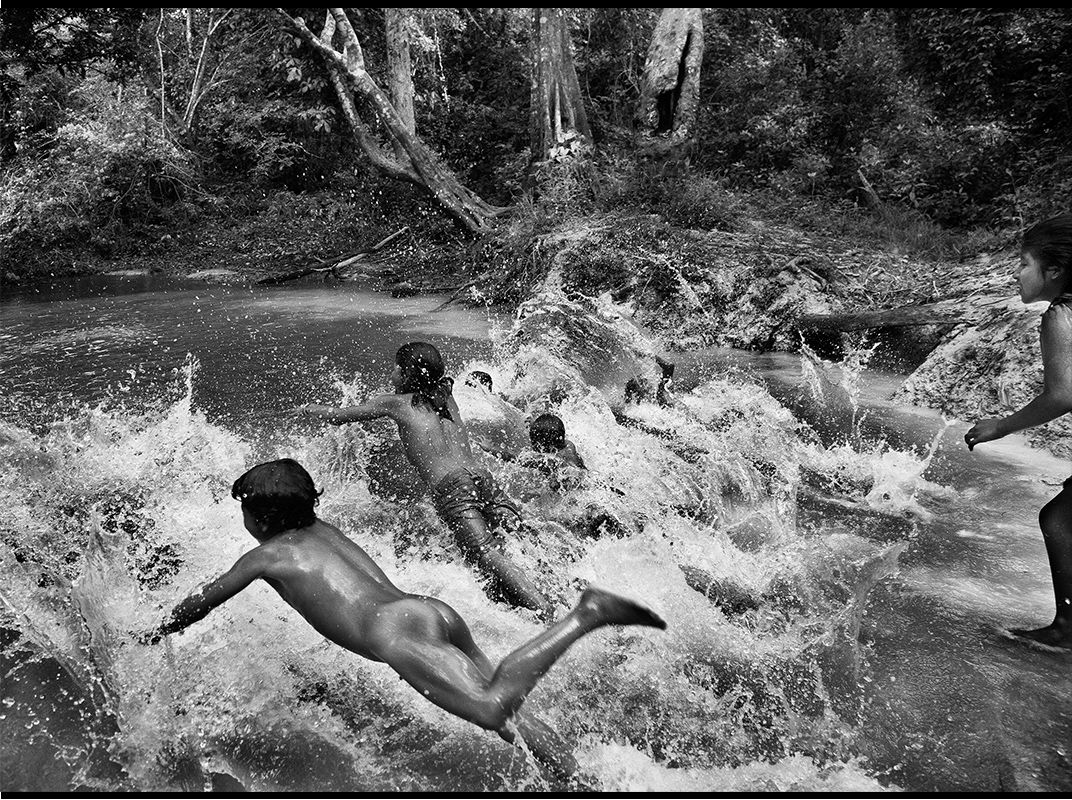
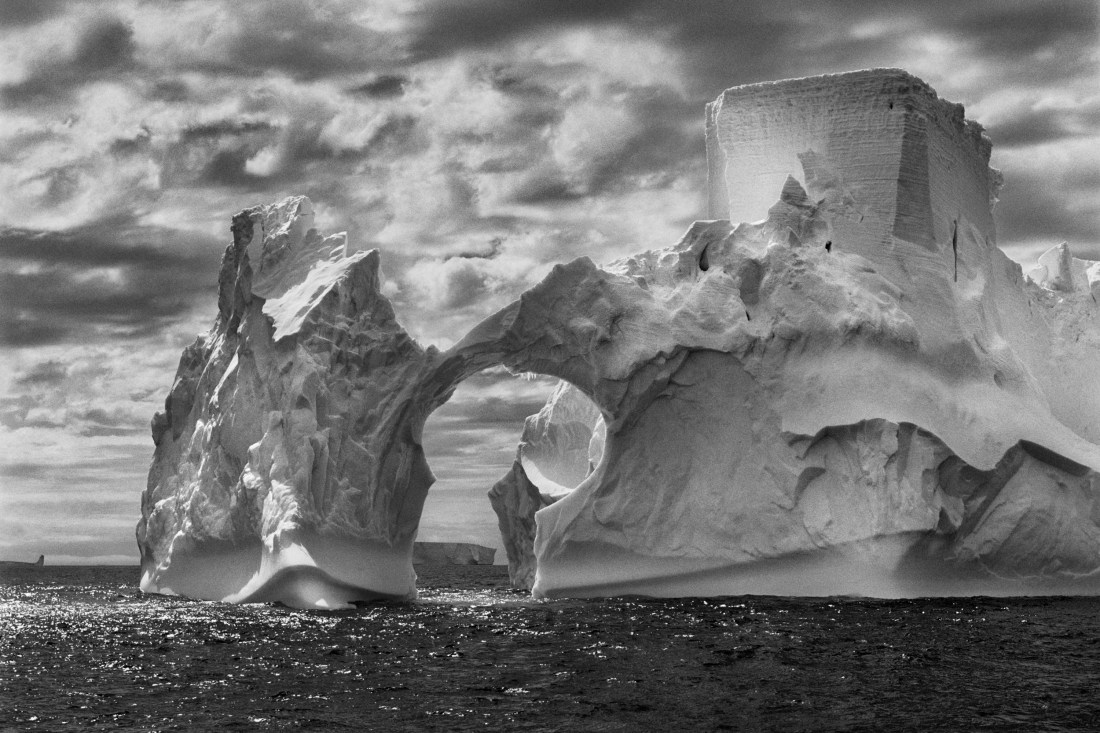
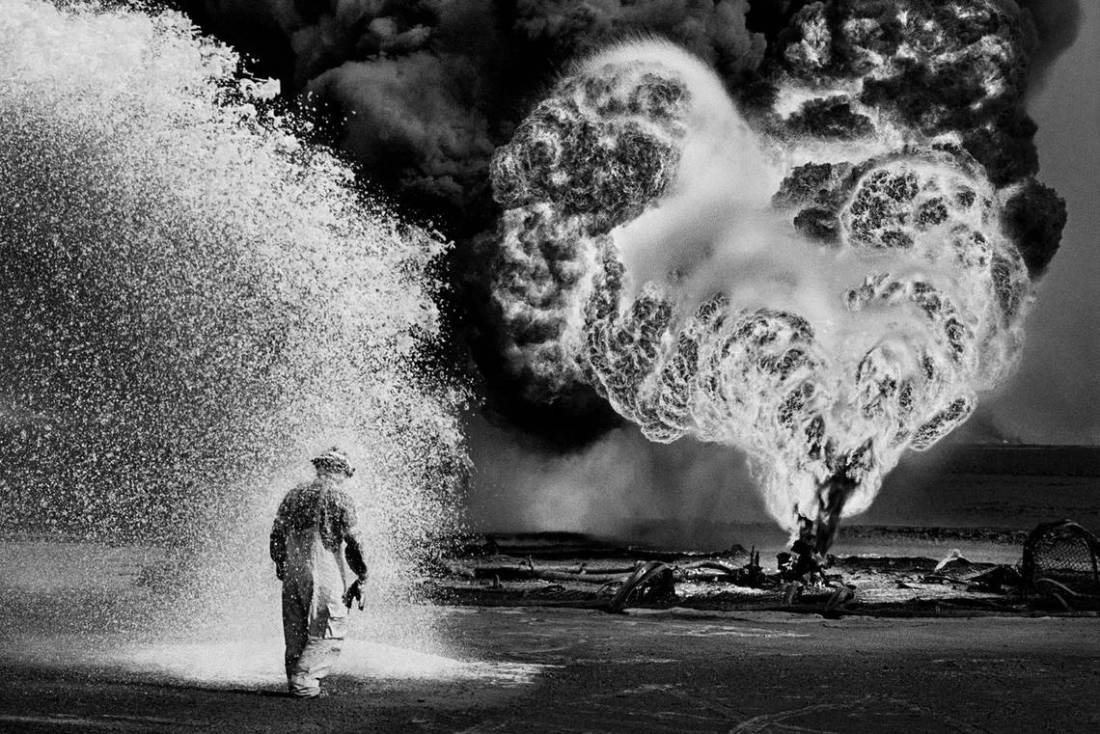
What I like about Salgado’s photographs is how grandiose they are, depicting natural disasters, different cultures, and landscapes in black and white with strong contrast of the image. Above (third picture) is my favourite photograph of his, titled ‘Desert Hell, Kuwait, 1991’. It’s my favourite because of the vividness of the flames and the firefighter being juxtaposed against it is what make it look extremely gritty and epic. From this powerful picture we see human struggle against natural disasters and we easily identify with it.
Bibliography :
- The Guardian – https://www.theguardian.com/artanddesign/2004/sep/11/sebastiaosalgado.photography2
- UNICEF – https://www.unicef.org/salgado/bio.htm
- Amazonas Images – https://www.amazonasimages.com/
- Wikipedia – https://en.wikipedia.org/wiki/Sebasti%C3%A3o_Salgado

 patrykgorskidbs